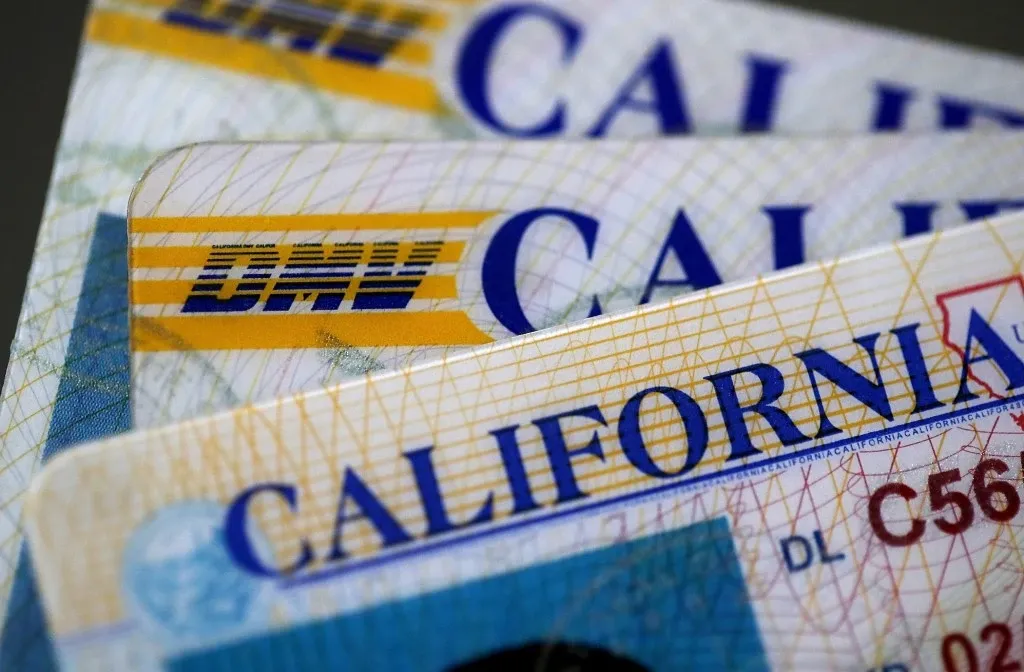
A massive data breach at U.S. insurance provider AssuranceAmerica has exposed the personal information and driver’s license numbers of nearly 7 million people, highlighting the growing risks surrounding sensitive identity data.
The breach affected approximately 6.99 million individuals, making it the largest known exposure of U.S. driver’s license information in 2026.
The incident is another warning that personal identification data can become a valuable target for cybercriminals—and that compromised employee credentials can provide attackers with a way into organizations holding millions of sensitive records.
What Happened in the AssuranceAmerica Data Breach?
AssuranceAmerica, a U.S. insurance provider that operates across more than a dozen states, discovered hackers inside its computer systems on March 17, 2026.
The company’s investigation was completed on June 15, revealing that attackers had accessed and stolen customer information.
The compromised data included:
- Names
- Contact information
- Driver’s license numbers
- Auto insurance policy information
- Customer account information
- Driver and vehicle information
- Insurance claims information
The company did not publicly specify every type of personal information that may have been taken.
Nearly 7 Million People Were Affected
According to breach notifications filed with state authorities, the incident affected approximately 6.99 million people.
One filing with the Indiana attorney general’s office listed the number of affected individuals at 6.99 million, while a separate notification shared through the Maine attorney general’s office reported the same figure.
That scale makes the incident particularly concerning because driver’s license information is highly sensitive identity data.
How Did Hackers Get Into AssuranceAmerica’s Systems?
AssuranceAmerica said the attackers targeted one of the company’s employees.
The company subsequently disabled compromised credentials.
However, AssuranceAmerica has not publicly explained exactly how the employee’s credentials were stolen.
Compromised employee accounts are a common security concern because attackers can use legitimate credentials to access corporate systems without immediately triggering some traditional security defenses.
Possible methods for stealing credentials can include:
- Phishing
- Password-stealing malware
- Credential stuffing
- Social engineering
- Fake login pages
- Compromised third-party software
The exact attack method in this incident has not been publicly confirmed.
Why Are Driver’s License Numbers Valuable to Cybercriminals?
Driver’s license information is valuable because it can be used as part of identity verification.
A stolen driver’s license number combined with other personal information may help criminals attempt:
- Identity theft
- Fraudulent account creation
- Impersonation
- Financial fraud
- Social engineering attacks
- Account recovery attacks
A driver’s license number by itself does not necessarily allow someone to commit identity theft, but it becomes much more dangerous when combined with names, addresses, dates of birth, financial information, or other identifiers.
This Is Not the First Major Driver’s License Data Breach
The AssuranceAmerica incident follows several other major breaches involving government-issued identification information.
In June 2026, the Texas government disclosed that hackers had stolen information involving at least 3 million driver’s licenses and passport numbers in a breach affecting the state’s Parks and Wildlife Department.
Other recent incidents have also exposed government-issued identity documents through companies and services that collect sensitive information.
This trend highlights a growing cybersecurity problem: organizations increasingly collect identity documents and personal information for insurance, financial services, age verification, travel, employment, and other purposes.
Why Stolen Employee Credentials Are So Dangerous
One of the most important lessons from the AssuranceAmerica breach is the potential danger of compromised employee credentials.
An organization can have strong firewalls, endpoint security, and network monitoring, but attackers who obtain legitimate employee credentials may still be able to access internal systems.
This is why companies should implement multiple layers of identity security.
Multi-Factor Authentication
Multi-factor authentication adds an additional security layer beyond a username and password.
Even if an employee’s password is stolen, MFA can make unauthorized access significantly more difficult.
Least-Privilege Access
Employees should only have access to the systems and information they actually need.
Limiting privileges can reduce the potential damage if an account is compromised.
Credential Monitoring
Companies should monitor accounts for unusual login activity, including:
- Unexpected locations
- Unusual login times
- New devices
- Suspicious authentication attempts
- Abnormal data access
Employee Security Training
Employees should receive regular training on phishing, social engineering, suspicious login requests, and other common credential-theft techniques.
What Should Affected Customers Do?
If you receive a notification that your information was included in the AssuranceAmerica breach, carefully review the details provided by the company.
You should also remain alert for suspicious activity involving your personal information.
Consider taking precautions such as:
- Monitoring financial accounts
- Reviewing credit reports
- Watching for unexpected account activity
- Being cautious with emails and phone calls requesting personal information
- Using strong, unique passwords
- Enabling multi-factor authentication
- Reporting suspicious identity-related activity
Be particularly careful with unexpected messages claiming to be from AssuranceAmerica or another company involved in the incident.
Cybercriminals sometimes use publicized data breaches as an opportunity to launch follow-up phishing campaigns.
Be Careful With Breach-Related Emails
A data breach can create a second wave of attacks.
After a major breach becomes public, criminals may send fake emails claiming to offer:
- Credit monitoring
- Identity protection
- Refunds
- Account verification
- Security assistance
Never assume an email is legitimate simply because it mentions a real data breach.
Instead, visit the company’s official website directly or use contact information from an official statement.
Avoid clicking suspicious links or providing passwords, authentication codes, or financial information in response to unexpected messages.
What Businesses Can Learn From the Breach
The AssuranceAmerica incident demonstrates why organizations that collect sensitive identity information need strong security controls.
Companies handling driver’s license numbers, passports, financial information, or other government-issued identifiers should consider:
1. Collect Less Data
The less sensitive information an organization stores, the less information attackers can steal.
Companies should regularly review whether they actually need to retain specific identity data.
2. Encrypt Sensitive Information
Sensitive personal information should be appropriately protected both in storage and during transmission.
3. Strengthen Identity Security
Organizations should implement MFA, strong authentication policies, privileged-access controls, and continuous monitoring.
4. Monitor Employee Accounts
Unusual account activity should trigger alerts and investigations.
5. Prepare an Incident Response Plan
Organizations should have a clear plan for detecting, containing, investigating, and communicating a breach.
The Bigger Cybersecurity Lesson
The AssuranceAmerica breach is a reminder that cybersecurity isn’t only about protecting networks from sophisticated malware.
Sometimes, attackers may simply target a person and use compromised credentials to gain access to valuable systems.
Once inside, attackers can potentially access enormous amounts of sensitive information.
For organizations handling millions of customer records, protecting employee identities can therefore be just as important as protecting servers and databases.
Final Thoughts
The AssuranceAmerica data breach exposed the personal information and driver’s license numbers of nearly 7 million people, making it one of the most significant identity-data breaches reported in the United States in 2026.
The incident also demonstrates how dangerous compromised employee credentials can be when attackers target organizations that store large amounts of sensitive personal information.
For consumers, the most important step is to remain vigilant for identity theft and phishing attempts.
For businesses, the lesson is even broader: sensitive identity data needs strong protection at every stage—from collection and storage to employee access and incident response.
As organizations continue collecting more personal information online, protecting that data will become an increasingly important part of modern cybersecurity.
Frequently Asked Questions
How many people were affected by the AssuranceAmerica data breach?
Approximately 6.99 million people were affected, according to breach notifications filed with state authorities.
What information was exposed?
The exposed information included names, contact information, driver’s license numbers, insurance policy and account information, driver and vehicle details, and claims information.
Were driver’s license numbers stolen?
Yes. AssuranceAmerica confirmed that hackers stole customers’ driver’s license numbers along with other personal and insurance-related information.
How did the attackers access AssuranceAmerica?
The company said attackers targeted an employee and that compromised credentials were subsequently disabled. The exact method used to steal those credentials has not been publicly confirmed.
Can a stolen driver’s license number be used for identity theft?
A driver’s license number can be valuable to criminals, particularly when combined with other personal information. It may be used in attempts involving identity theft, fraud, or impersonation.
What should I do if my information was exposed?
Monitor your financial and credit accounts, be cautious about unexpected communications, use strong passwords and enable multi-factor authentication. Follow the specific instructions in any official breach notification you receive.
How can companies prevent similar data breaches?
Organizations should use multi-factor authentication, least-privilege access, employee security training, credential monitoring, encryption, strong incident-response procedures, and data minimization practices.